
In a world where every business needs a digital presence, web development isn’t just a career; it’s a ticket to the future. Imagine crafting stunning websites that not only look good but also function like a well-oiled machine. It’s like being a wizard but instead of spells, you’re casting code.
Understanding Web Development Career Path
Web development offers a diverse and fulfilling career path. Each role within this field contributes to the overall success of a website. Common positions include front-end developer, back-end developer, and full-stack developer. Front-end developers focus on user experience and visual design, translating design concepts into functional websites. They utilize technologies like HTML, CSS, and JavaScript.
Back-end developers manage server, application, and database interaction. Their work involves programming languages such as Python, Ruby, or PHP. They ensure that the server and database communicate seamlessly with the user interface.
Full-stack developers possess skills in both front-end and back-end development. Flexibility characterizes their role, allowing them to handle various aspects of web projects. Many companies value this versatility, integrating full-stack developers into agile teams.
Specializations emerge in web development based on specific industries and technologies. Fields like e-commerce, content management, and web application development present unique opportunities. Developers may also choose to focus on areas like user experience, security, or performance optimization.
Education varies among web developers. Many pursue degrees in computer science or related disciplines. Others opt for coding boot camps or self-study through online resources. Portfolio development remains crucial, showcasing skills, projects, and personal coding style.
Career advancement often leads to roles such as team lead, project manager, or solutions architect. The demand for web development professionals remains strong, with job growth projected at 13% from 2020 to 2030. Networking, continuous learning, and staying current with the latest technologies benefit aspiring web developers.
Key Skills for Web Developers

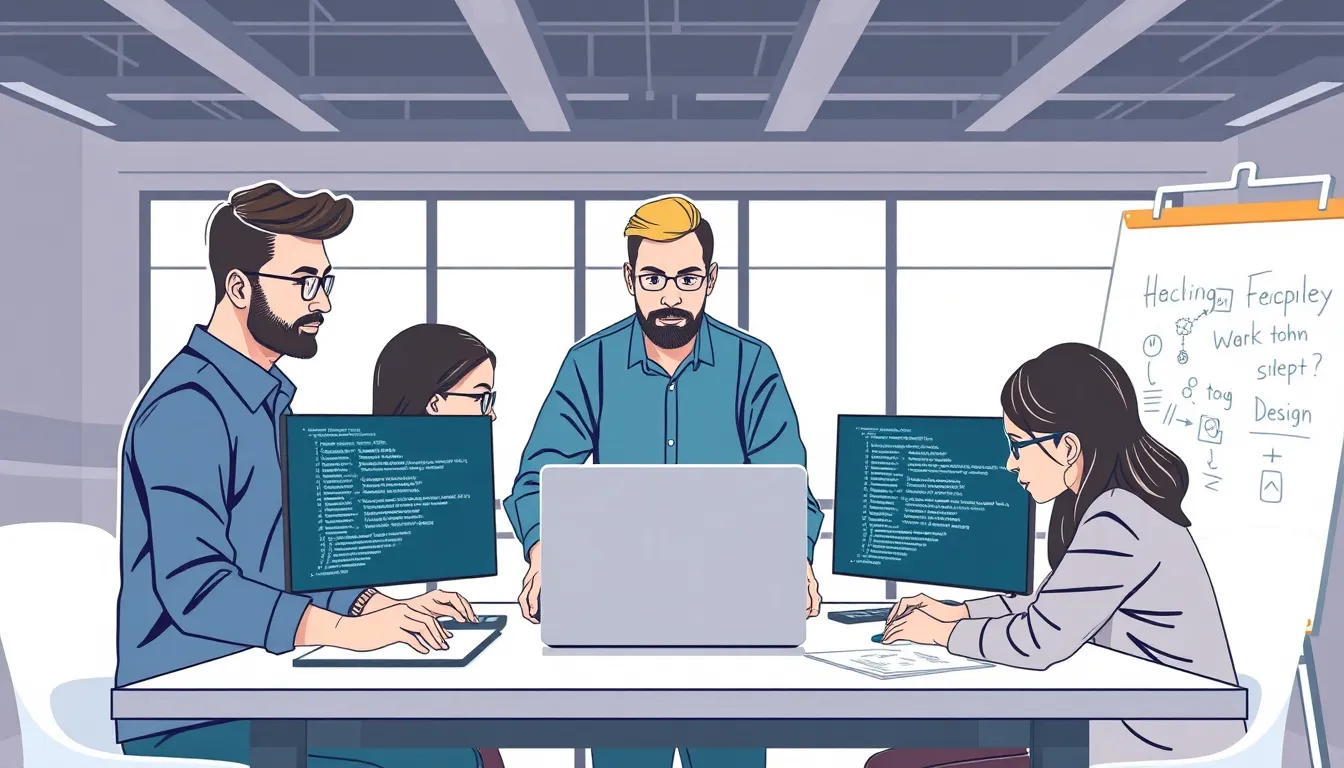
Web developers require a blend of technical and soft skills to excel in their roles. Mastery of these skills enhances both individual performance and team collaboration.
Technical Skills
Front-end developers often use HTML, CSS, and JavaScript to create user-friendly interfaces. Back-end developers rely on languages like Python, Ruby, or PHP for server-side logic and database management. Full-stack developers benefit from having expertise in both front-end and back-end technologies, making them versatile team members. Familiarity with version control tools, such as Git, improves collaboration and tracking of code changes. Knowledge of responsive design principles ensures that websites perform well on various devices and screen sizes.
Soft Skills
Communication skills play a crucial role in web development. Developers must clearly articulate their ideas and collaborate with team members and stakeholders. Problem-solving capabilities enable them to tackle challenges efficiently during the development process. Time management helps prioritize tasks and meet tight deadlines. Adaptability allows web developers to stay updated with emerging technologies and adjust to changing project requirements. Critically, teamwork fosters a collaborative environment, enhancing project outcomes and innovation.
Educational Requirements
Aspiring web developers can follow different pathways to achieve their career goals. Education plays a crucial role, offering various formal and informal options.
Formal Education
Degree programs provide structured learning in web development. Bachelor’s degrees in computer science, information technology, or software engineering are common choices. These programs typically cover topics like algorithms, data structures, and programming fundamentals. Community colleges offer associate degrees or certificates, which also serve as effective pathways into the field. Institutions often provide hands-on experience through projects and internships, helping students build portfolios essential for job applications. Graduates often enter the workforce with a solid understanding of coding languages and best practices in web design.
Self-Taught Options
Self-taught individuals pursue web development through online resources and coding bootcamps. Numerous platforms offer courses in HTML, CSS, and JavaScript, along with frameworks like React or Vue.js. Coding bootcamps provide intensive, short-term training that focuses on practical skills and real-world applications. Many successful developers have built portfolios solely from self-directed projects, demonstrating their capabilities to potential employers. Various online communities and forums support learners through collaboration and mentorship. Consistent practice and engagement with concepts ensure proficiency, making self-education a viable alternative to traditional education.
Types of Web Development Careers
Web development encompasses various career paths, each offering unique opportunities and roles. These roles can be categorized into several key types.
Front-End Developer
Front-end developers focus on the visual aspects of websites. They create interactive elements using HTML, CSS, and JavaScript. These developers rely heavily on user experience principles to ensure functionality aligns with aesthetic appeal. Notable responsibilities include optimizing web pages for fast load times and ensuring compatibility across different browsers. Creating responsive designs is crucial for mobile accessibility. They often collaborate closely with designers to implement interface designs.
Back-End Developer
Back-end developers handle the server-side logic and database interactions. They often work with languages such as Python, Ruby, or PHP to build applications that power the front end. Handling data storage, security, and performance optimization falls within their range of expertise. Developers also create APIs that facilitate communication between the front end and back-end systems. They may use frameworks like Node.js and Django to streamline development processes. Understanding server management and database technologies is vital for these roles.
Full-Stack Developer
Full-stack developers possess skills in both front-end and back-end development. This versatility allows them to manage projects from conception to deployment. Working with a range of technologies, they navigate both user interfaces and server configurations. If an organization seeks an adaptable team player, full-stack developers fit the bill perfectly. They often contribute to diverse aspects of projects, optimizing overall functionality and user experience. Familiarity with frameworks and tools across the stack enhances their effectiveness.
Specialized Roles
Specialized roles within web development cater to specific needs in the industry. These might include positions such as UX/UI designers, who concentrate on user experience. Another option is a security specialist, focusing on protecting websites from cyber threats. Data engineers work on data flow and transformation, while front-end frameworks encourage rapid development. Several positions arise from emerging technologies such as AI and virtual reality. Each specialized role demands unique skill sets, making them essential for project success.
Career Progression and Opportunities
Web development careers offer various paths and opportunities for growth. Aspiring developers can choose from multiple roles based on skills and interests.
Entry-Level Positions
Entry-level positions serve as a gateway into the web development field. Roles like junior front-end developer and back-end developer often require foundational knowledge of HTML, CSS, and JavaScript or languages like Python and PHP. These positions typically involve assisting in project tasks, debugging code, and learning from senior developers. Internships or apprenticeships provide valuable hands-on experience and can significantly enhance a candidate’s appeal to employers. Experts recommend building a strong portfolio through personal projects to showcase practical skills and creativity, which can boost chances of landing a job.
Advanced Roles
Advanced roles in web development offer opportunities for leadership and specialization. Positions like lead developer or project manager require a blend of technical knowledge and management skills. Full-stack developers often transition to these roles due to their diverse expertise. Security specialists or UX/UI designers also represent specialized paths where advanced knowledge in specific areas like cybersecurity or user experience design is crucial. Professionals in these positions typically mentor entry-level developers, fostering team collaboration and project success. Continuous learning through certifications or workshops remains essential for staying competitive and relevant in a rapidly evolving industry.
A web development career offers a blend of creativity and technical prowess. As the digital world continues to expand, the demand for skilled web developers remains strong. With diverse pathways available from front-end to full-stack roles, there’s a niche for every interest and skill set.
Continuous learning and networking are vital for success in this dynamic field. Whether through formal education or self-directed projects, aspiring developers can carve out rewarding careers. As they advance, opportunities for leadership and specialization abound, making web development a fulfilling choice for those passionate about technology and design.